Gediminas Šalkovskis
Existential psychotherapy for adults
Psychotherapist in training (under supervision)
Švitrigailos g. 8, Vilnius · also online
+370 679 74 075
[email protected]
What is existential psychotherapy?
Existential psychotherapy draws on philosophical thinking about human freedom, responsibility and meaning, yet in practice it is much more concrete. During sessions we talk about what matters to you the most: relationships, decisions, loss, anxiety, or a sense that life is heading in the wrong direction.I pay close attention to our relationship. It is authentic and alive, so what happens in your life often shows up in our conversation too, here and now. This makes it possible not only to talk about difficulties, but to experience and explore them together.Quite often, anxiety and other uncomfortable feelings are related to existential questions: freedom and responsibility, meaning, impermanence. We learn to balance freedom with human limitations, to see what we can change and to accept what we cannot. An important part of therapy is also “being allowed not to be able”: giving yourself permission not to always be strong and capable of everything.Therapy does not offer one right answer. It helps you see your situation more clearly, make decisions with more courage and live more consciously, even when not everything is clear.

About me
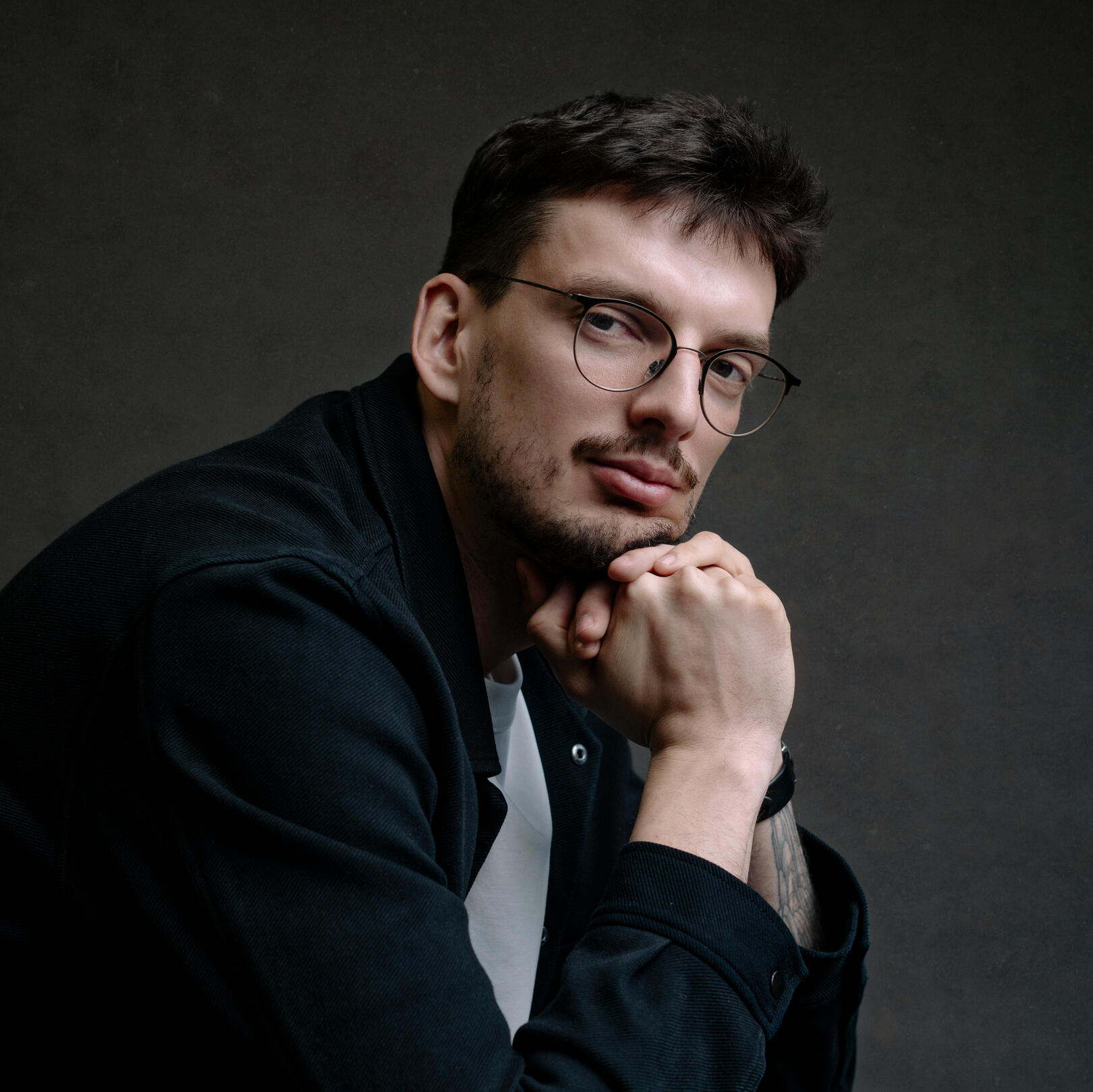
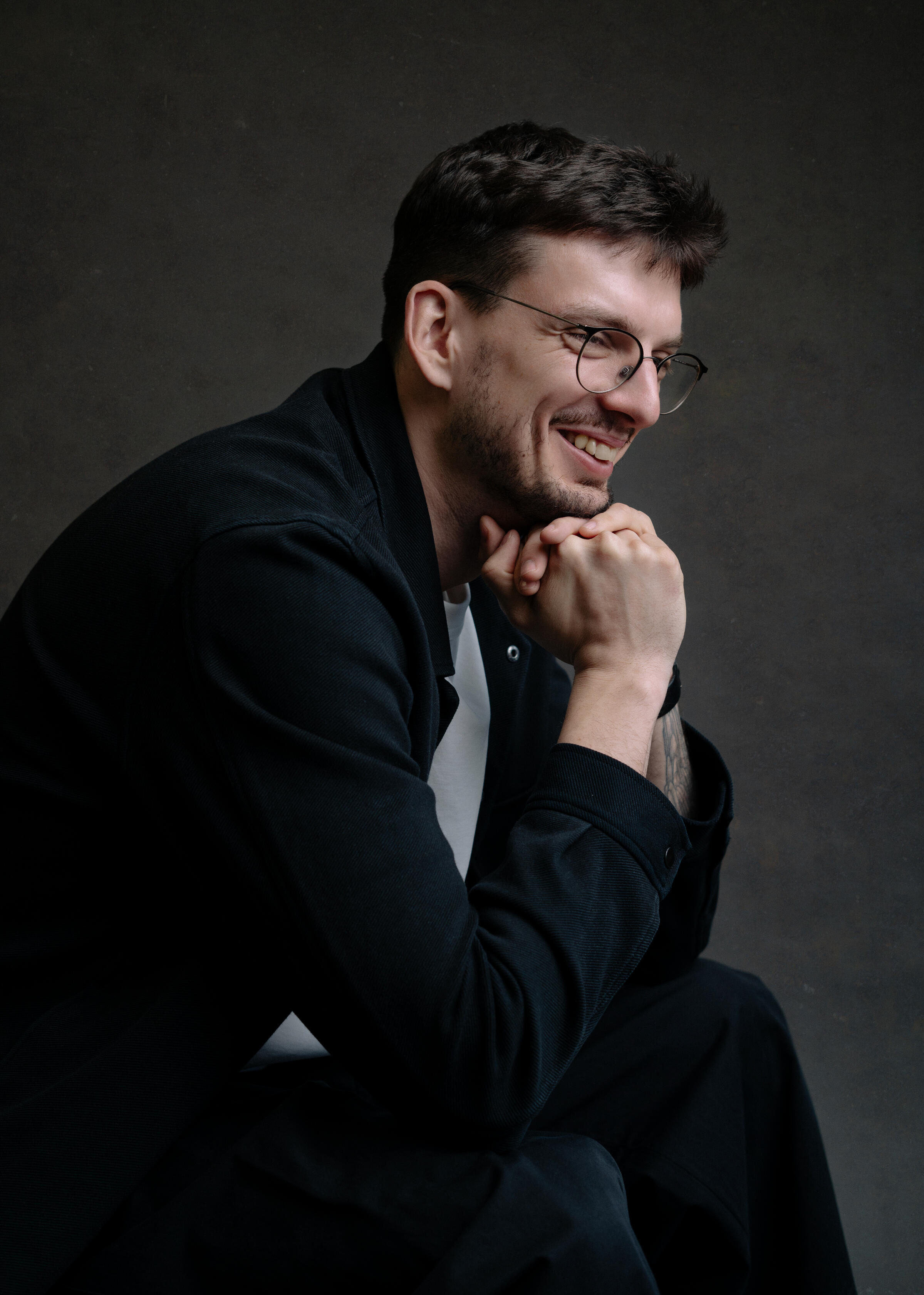
I deeply believe that every person is free and capable of changing their life. I see existential psychotherapy as a tool that helps create space for growth and change. Every client is unique, so I put a lot of care into building our relationship and into understanding your particular experience.The foundations of my practice are closely tied to the philosophy I studied during my master's degree at Vilnius University. I am currently completing professional psychotherapy training at the Humanistic and Existential Psychotherapy Institute (HEPI). I volunteer at Krizių įveikimo centras (a crisis support centre in Vilnius) and am one of its co-owners. I don't think of psychotherapy as “treatment”, but rather as two people working together to uncover, and sometimes change, a person's beliefs. In other words, to notice what had gone unnoticed before. Sometimes very simple, yet hard-to-see principles of how life works can make a real difference.
Topics close to me
Interpersonal relationships
Loss and grief
Loneliness
Periods of crisis
(Existential) anxiety
Addictions
Adult children of alcoholics (ACoA)
Fear of death
Making important decisions
Lack of drive in life
Search for meaning
Sexuality
Relationship with your body
Practical info
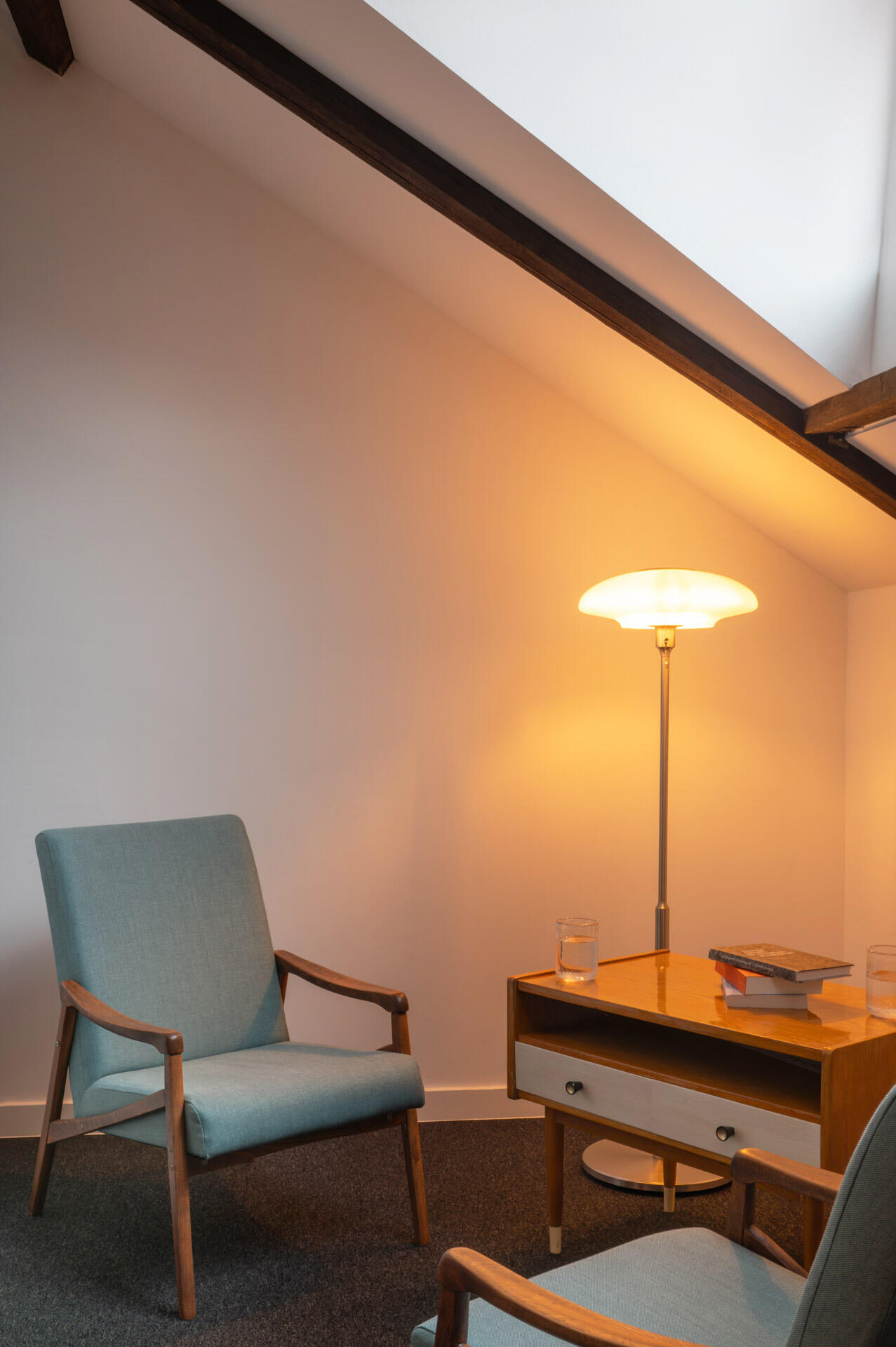
Sessions take place in Vilnius Naujamiestis (Švitrigailos g. 8) or online, in Lithuanian or English.I currently work with adults only.My practice is regularly supervised to ensure quality and growth, with the knowledge and oversight of the Humanistic and Existential Psychotherapy Institute (hepi.lt).Session length: 50 minutes
Fee: 50 euros
Frequently asked questions
How does the first session work?
In the first session we mostly talk about you: what brought you here, what feels difficult right now and what you would like to change. Together we set a goal for therapy. As the work continues, it helps us check whether the changes feel satisfying to you and adjust the direction if needed. It is also a chance to sense whether you feel safe and comfortable working with me. No special preparation is needed.How often do we meet?
Usually once a week. This rhythm helps keep continuity. That said, we can adapt the frequency to your needs and circumstances.How long does therapy last?
It is very individual. Sometimes a few months are enough to work on a specific issue; sometimes therapy continues longer, when you want to get to know yourself and your relationship with life more deeply. The goal we set helps us regularly look at where we are and how to move on. You can decide to end therapy at any time.Can we meet online?
Yes. For online sessions I usually suggest Google Meet, but we can also agree on another platform that suits you.Is what I share kept confidential?
Yes. Everything discussed in sessions is confidential. The only exception is when there is a serious threat to your life or the life of another person. I discuss my work in supervision, but without any information that could identify you.How is a psychotherapist different from a psychiatrist?
A psychiatrist is a medical doctor who diagnoses mental health conditions and can prescribe medication. Psychotherapy is work through conversation, without medication. Sometimes the two complement each other well – if I see that a psychiatrist's consultation could also help you, we will talk about it openly.What if I need help urgently?
Psychotherapy is not an emergency service. If you or someone else is in danger, call 112. You will find emotional support lines in the “Useful links” section.How do I book a session?
Write to me by email or give me a call – we will find a time that works for you.
Useful links
If you or someone else is in danger, call 112 immediately.Most of the services below work mainly in Lithuanian.Jaunimo linija (Youth Line): 0 800 28888 – free emotional support from volunteers
Pagalbos moterims linija (Women's Helpline): 0 800 66366 – free psychological support for women
Vaikų linija (Children's Line): 116 111 – free psychological support for children
Krizių įveikimo centras (Crisis Support Centre): 0 640 51555 – urgent psychological help in crisis situations. I volunteer at the centre and am one of its co-owners
Gedintiems.lt: personal stories for people going through loss
Išgirsti: 068412216 – information and psychological support for the LGBT+ community
Alcoholics Anonymous Lithuania: support for those who want to help themselves and others recover from alcoholism
My personal writing: existential and psychotherapeutic texts on personal experience and worldview (in Lithuanian)